Sunday, 5 May 2013

Saturday, 30 March 2013

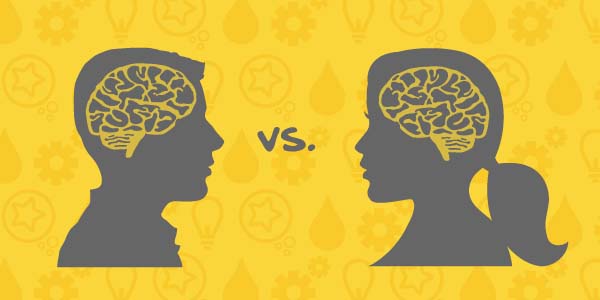
Man vs. Woman


Human Brain Analysis :-


Man vs. Woman......!!


1. MULTITASKING:
Women - Multiple process
Women's brains designed to concentrate multiple task at a time.
Women can Watch a TV and Talk over phone and cook.
Men - Single Process
Men's brains designed to concentrate only one work at a time. Men can not watch TV and talk over the phone at the same

time. they stop the TV while Talking. They can either watch TV or talk over the phone or cook.


2. LANGUAGE:
Women can easily learn many languages. But can not find solutions to problems. Men can not easily learn languages, they can easily solve problems. That's why in average a 3 years old girl has three times higher vocabulary than a 3 year old boy.


3. ANALYTICAL SKILLS:
Men's brains has a lot of space for handling the analytical process. They can analyze and find the solution for a process and design a map of a building easily. But If a complex map is viewed by women, they can not understand it. Women can not understand the details of

Friday, 29 March 2013

Stress vs glass of Water

A psychologist walked around a room while teaching stress management to an audience. As she raised a glass of water, everyone expected they’d be asked the “half empty or half full” question. Instead, with a smile on her face, she inquired: “How heavy is this glass of water?”

Answers called out ranged from 8 oz. to 20 oz.

She replied, “The absolute weight doesn’t matter. It depends on how long I hold it. If I hold it for a minute, it’s not a problem. If I hold it for an hour, I’ll have an ache in my arm. If I hold it for a day
, my arm

Heath benefits of Sleep


Health Benefits of Honey

A toast with honey. That's a perfect way to start your day. Apart from its great taste,

Thursday, 28 March 2013

Common Habits That Damage the Kidneys


Did you know 10 Common Habits That Damage the Kidneys~


1. Not emptying your bladder early:

2. Not drinking enough water:
3. Taking too much salt:
4. Not treating common infections quickly and properly:
5. Eating too much meat:
6. Not eating enough:
7. Painkiller abuse:
8. Missing your drugs:
9. Drinking too much alcohol:
10. Not resting enough

BEWARE GIRLS

BEWARE GIRLS !!

All Girls Must read this !!

Health is more important than your looks

Diabetic Disease Symptoms And Treatment


Causes

Insulin is a hormone produced by the pancreas to control blood sugar. Diabetes can be caused by too little insulin, resistance to insulin, or both.
To understand diabetes, it is important to first understand the normal process by which food is broken down and used by the body for energy. Several things happen when food is digested:
A sugar called glucose enters the bloodstream. Glucose is a source of fuel for the body.

An organ called the pancreas makes insulin. The role of insulin is to move glucose from the bloodstream into muscle, fat, and liver cells, where it can be used as fuel.

People with diabetes have high blood sugar. This is because:

Their pancreas does not make enough insulin
Their muscle, fat, and liver cells do not respond to insulin normally
Both of the above

There are three major types of diabetes:

Type 1 diabetes is usually diagnosed in childhood. Many patients are diagnosed when they are older than age 20. In this disease, the body makes little or no insulin. Daily injections of insulin are needed. The exact cause is unknown. Genetics, viruses, and autoimmune problems may play a role.

Type 2 diabetes is far more common than type 1. It makes up most of diabetes cases. It usually occurs in adulthood, but young people are increasingly being diagnosed with this disease. The pancreas does not make enough insulin to keep blood glucose levels normal, often because the body does not respond well to insulin. Many people with type 2 diabetes do not know they have it, although it is a serious condition. Type 2 diabetes is becoming more common due to increasing obesity and failure to exercise.

Gestational diabetes is high blood glucose that develops at any time during pregnancy in a woman who does not have diabetes. Women who have gestational diabetes are at high risk of type 2 diabetes and cardiovascular disease later in life.

Diabetes affects more than 20 million Americans. Over 40 million Americans have pre-diabetes (early type 2 diabetes).
There are many risk factors for type 2 diabetes, including:
  • Age over 45 years
  • A parent, brother, or sister with diabetes
  • Gestational diabetes or delivering a baby weighing more than 9 pounds
  • Heart disease
  • High blood cholesterol level
  • Obesity
  • Not getting enough exercise
  • Polycystic ovary disease (in women)
  • Previous impaired glucose tolerance
  • Some ethnic groups (particularly African Americans, Native Americans, Asians, Pacific Islanders, and Hispanic Americans)


Symptoms


High blood levels of glucose can cause several problems, including:
  • Blurry vision
  • Excessive thirst
  • Fatigue
  • Frequent urination
  • Hunger
  • Weight loss
However, because type 2 diabetes develops slowly, some people with high blood sugar experience no symptoms at all.
Symptoms of type 1 diabetes:
  • Fatigue
  • Increased thirst
  • Increased urination
  • Nausea
  • Vomiting
  • Weight loss in spite of increased appetite
Patients with type 1 diabetes usually develop symptoms over a short period of time. The condition is often diagnosed in an emergency setting.
Symptoms of type 2 diabetes:
  • Blurred vision
  • Fatigue
  • Increased appetite
  • Increased thirst
  • Increased urination

Diabetes Treatment


Diabetes Self-Care at Home (Lifestyle Changes and Glucose Monitoring)

If a person has diabetes, healthful lifestyle choices in diet, exercise, and other health habits will help to improve glycemic (blood sugar) control and prevent or minimize complications of diabetes.
                                         
Diabetes Diet: A healthy diet is key to controlling blood sugar levels and preventing diabetes complications.

If the patient is obese and has had difficulty losing weight on their own, talk to a health care professional. He or she can recommend a dietitian or a weight modification program to help the patient reach a goal.
Eat a consistent, well-balanced diet that is high in fiber, low in saturated fat, and low in concentrated sweets.
A consistent diet that includes roughly the same number of calories at about the same times of day helps the health care professional prescribe the correct dose of medication or insulin.
A healthy diet also helps to keep blood sugar at a relatively even level and avoids excessively low or high blood sugar levels, which can be dangerous and even life-threatening.
Exercise: Regular exercise, in any form, can help reduce the risk of developing diabetes. Activity can also reduce the risk of developing complications of diabetes such as heart disease, stroke, kidney failure, blindness, and leg ulcers.

As little as 20 minutes of walking three times a week has a proven beneficial effect. Any exercise is beneficial; no matter how easy or how long, some exercise is better than no exercise.
If the patient has complications of diabetes (such as eye, kidney, or nerve problems), they may be limited both in type of exercise, and amount of exercise they can safely do without worsening their condition. Consult with your health care professional before starting any exercise program.
Alcohol use: Moderate or eliminate consumption of alcohol. Try to have no more than seven alcoholic drinks in a week, and never more than one or two drinks in an evening. One drink is considered 1.5 ounces of liquor, 6 ounces of wine, or 12 ounces of beer. Excessive alcohol use is a known risk factor for type 2 diabetes. Alcohol consumption can cause low or high blood sugar levels, nerve pain (neuritis), and an increase in triglycerides.

Smoking: If the patient has diabetes, and smokes cigarettes or use any other form of tobacco, they are raising the risks markedly for nearly all of the complications of diabetes. Smoking damages blood vessels and contributes to heart disease, stroke, and poor circulation in the limbs. If a person needs help to quit tobacco use, talk to a health care professional.

Self-monitored blood glucose: Check blood sugar levels frequently, at least before meals and at bedtime, then record the results in a logbook.

This log should also include insulin or oral medication doses and times, when and what the patient ate, when and for how long they exercised, and any significant events of the day such as high or low blood sugar levels and how they treated the problem.
Better equipment now available makes testing blood sugar levels less painful and less complicated than ever. A daily blood sugar diary is invaluable to the health care professional in evaluating how the patient is responding to medications, diet, and exercise in the treatment of diabetes.
Medicare now pays for diabetic testing supplies, as do many private insurers and Medicaid.

Monday, 4 February 2013

High Blood Pressure: Causes and Remedies


High Blood Pressure: Causes and Remedies


For reasons that are not completely understood, salt can play an active role in raising the blood pressure in people who are salt-sensitive.

What Exactly Is High Blood Pressure?


10 ways to control high blood pressure without medication


10 ways to control high blood pressure without medication


If you've been diagnosed with high blood pressure (a systolic pressure — the top number — of 140 or above or a diastolic pressure — the bottom number — of 90 or above), you might be worried about taking medication to bring your numbers down.
Lifestyle plays an important role in treating your high blood pressure. If you successfully control your blood pressure with a healthy lifestyle, you may avoid, delay or reduce the need for medication.
Here are 10 lifestyle changes you can make to lower your blood pressure and keep it down.

            low blood pressure reasons and treatment

Low blood pressure is not always a sign of a problem. But if you have symptoms of low blood pressure, then your doctor can diagnose the condition and uncover the cause. Symptoms may include: lightheadedness, dizziness, fainting, unusual thirst, or fatigue. Symptoms of dizziness and lightheadedness when you stand up from sitting or lying down with a decrease in your blood pressure may indicate a condition called postural hypotension. A wide range of underlying conditions may also cause your symptoms. It's important to identify the cause of low blood pressure so appropriate treatment can be given.